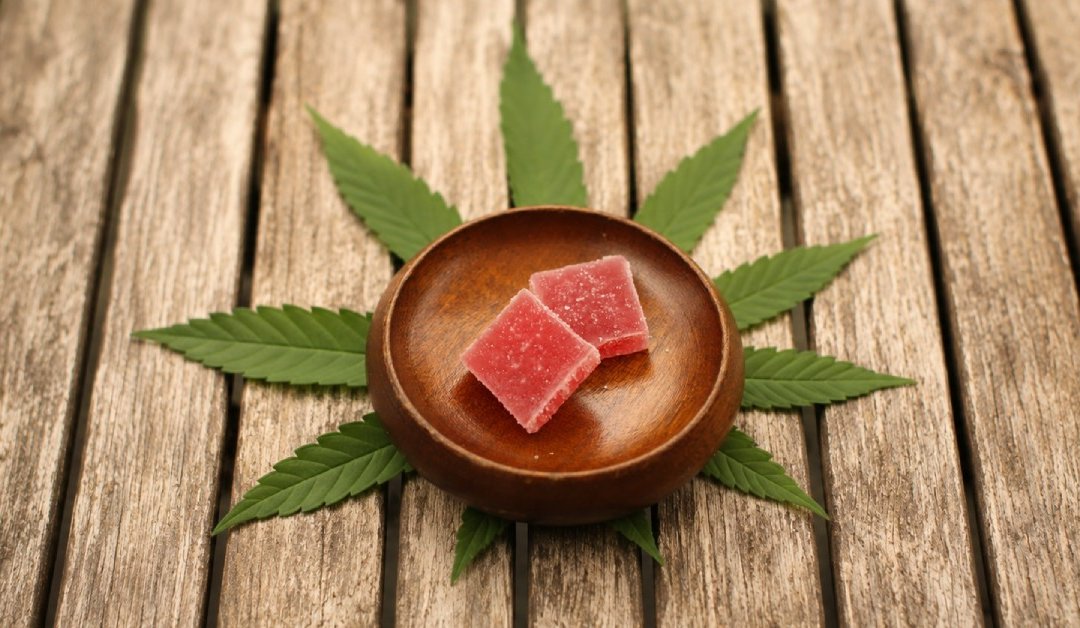
Cannabis gummies have become one of the most recognisable forms of cannabis edibles, offering cannabinoids such as THC and CBD in a familiar gummy format. However, understanding cannabis gummies in South Africa involves more than simply choosing a flavour or product strength. Cannabinoid content, potency, serving size, delayed onset, duration, individual tolerance, product quality and South African regulations can all affect the experience.
For people exploring cannabis gummies for beginners, understanding cannabinoid content, potency, serving size and delayed onset is particularly important before choosing or consuming an edible product. Forbes similarly highlights a cautious “start low” approach for first-time consumers.
This beginner’s guide explains how cannabis gummies work, the differences between THC gummies and CBD gummies, how long cannabis edibles can take to produce effects, how potency labels work, important safety considerations, and the current regulatory position surrounding cannabis products in South Africa.
What Are Cannabis Gummies and How Do They Work?
Cannabis gummies are edible products containing cannabinoids derived from or associated with the cannabis plant. Depending on the formulation, a gummy may contain THC, CBD, a combination of both, or a wider cannabinoid profile.
Unlike smoking or vaping, where cannabinoids are absorbed rapidly through the lungs, edible cannabis travels through the digestive system before its active compounds enter the bloodstream. This difference in absorption is one of the main reasons cannabis gummies can have a slower onset and longer duration than inhaled cannabis.
How Cannabis Edibles Work in the Body
When a cannabis gummy is swallowed, it passes through the gastrointestinal system. Its cannabinoids are absorbed during digestion and subsequently processed by the liver before circulating through the body.
This first-pass metabolism is particularly important with THC. When THC is ingested, the body converts some of it into 11-hydroxy-THC, a metabolite associated with the effects of orally consumed cannabis. This helps explain why edible THC can produce a different experience from inhaled THC.
The bioavailability of cannabinoids — essentially the proportion that reaches circulation — can also vary according to the product, individual metabolism, food intake and other factors. As a result, two people consuming the same cannabis edible may not necessarily experience identical onset times or effects.
Cannabis Gummies vs Other Cannabis Edibles
Gummies are only one format within the wider category of cannabis edibles in South Africa, which can also include chocolates, baked products, beverages, capsules and other ingestible cannabis products.
The main characteristic these products share is their oral route of consumption. Their formulations, cannabinoid concentrations, serving sizes and absorption characteristics can nevertheless differ considerably.
Gummies are particularly convenient for interpreting potency when manufacturers clearly state the cannabinoid amount per individual gummy. With other products, such as a chocolate bar or beverage containing several servings, consumers may need to calculate the cannabinoid content of each portion.
THC Gummies vs CBD Gummies
The most important distinction when comparing cannabis gummies is usually their cannabinoid profile.
Some products primarily contain tetrahydrocannabinol (THC), others cannabidiol (CBD), while balanced products contain specified amounts of both cannabinoids.
What Are THC Gummies?
THC gummies are edible products containing tetrahydrocannabinol. THC is the principal cannabinoid associated with the intoxicating and impairing effects of cannabis.
The THC concentration of a gummy may be expressed as milligrams per gummy, milligrams per serving or total milligrams in the entire package. These measurements should not be treated as interchangeable.
For example, a package containing 100 mg total THC across ten equally dosed gummies would contain 10 mg THC per gummy. A consumer should therefore understand both the total package potency and the potency of an individual serving.
What Are CBD Gummies?
CBD gummies contain cannabidiol, commonly abbreviated to CBD. Unlike THC, CBD is not considered intoxicating, although it remains biologically active and may interact with medicines.
CBD concentration is commonly displayed in milligrams. As with THC products, consumers should distinguish between the amount of CBD in one gummy and the total cannabinoid content of the package.
CBD products should not automatically be treated as risk-free simply because they are non-intoxicating. Product composition, medication interactions and applicable South African regulations remain relevant considerations.
What Is the Difference Between THC and CBD Gummies?
The main difference between THC gummies and CBD gummies is their cannabinoid composition and resulting potential for intoxication.
THC produces intoxicating effects and impairment, while CBD does not normally produce the characteristic intoxicating effect associated with THC. A product may also contain both cannabinoids in a defined THC:CBD ratio.
A ratio such as 1:1 means the stated quantities of THC and CBD are equal. A 1:2 ratio would indicate twice as much CBD as THC, assuming the manufacturer uses the conventional THC-to-CBD order. Always verify the actual milligram amounts instead of relying on a ratio alone.
Full-Spectrum, Broad-Spectrum and Isolate CBD Gummies
CBD gummies are sometimes described as full-spectrum, broad-spectrum or CBD isolate products.
Full-spectrum products generally retain a range of cannabinoids and other cannabis plant compounds and may include THC. Broad-spectrum products are generally formulated to retain several cannabinoids or plant compounds while removing or minimising THC. CBD isolate refers to highly purified CBD separated from most other cannabis compounds.
These descriptions are useful, but the terminology on the front of a package should not replace proper cannabinoid testing. A Certificate of Analysis can provide more useful information about what a particular batch actually contains.
How Long Do Cannabis Gummies Take to Kick In?
One of the most common questions among first-time consumers is how long do edibles take to kick in. Unlike inhaled cannabis, edible cannabinoids first pass through the digestive system before their effects become noticeable.
Healthline gives approximately 30 to 60 minutes as a common onset range, while broader public-health guidance notes that edible cannabis can take 30 minutes to two hours before effects begin and up to four hours for the full effects to develop.
This variation is important. A cannabis gummy should not be assumed to have had no effect simply because nothing is noticeable after a short period.
Average Cannabis Edible Onset Time
There is no exact edible onset time that applies to everyone.
For ingested cannabis, effects may begin within approximately 30 minutes to two hours. Full effects can take considerably longer to develop, potentially reaching their strongest point several hours after consumption.
This delayed onset is one of the principal differences between edible and inhaled cannabis.
What Affects How Quickly Cannabis Gummies Kick In?
Several variables can influence the onset of cannabis gummies, including the product formulation, cannabinoid concentration, amount consumed, individual metabolism, tolerance and whether other food or medication is present in the digestive system.
This makes predicting an exact onset time difficult. Even the same person may experience differences between occasions.
Cannabis Gummies on an Empty vs Full Stomach
Does taking cannabis gummies on an empty stomach change their effects?
Potentially, but the relationship is not simple enough to assume that an empty stomach will always produce faster or stronger effects.
Food in the stomach can affect digestion and cannabinoid absorption, and official guidance recognises stomach contents as one factor influencing the timing of orally consumed cannabis.
For this reason, consumers should avoid attempting to manipulate potency simply by taking cannabis gummies with or without food. A consistent, cautious approach makes the resulting experience easier to interpret.
Why Gummies Feel Different From Smoking or Vaping Cannabis
Why do cannabis gummies affect you differently from smoking or vaping cannabis?
The route of administration is different.
When cannabis is smoked or vaped, cannabinoids can reach the bloodstream through the lungs within minutes. When THC is eaten, it must first pass through digestion and liver metabolism, where some THC is transformed into 11-hydroxy-THC.
As a result, oral cannabis typically has a slower onset but can remain active for considerably longer than inhaled cannabis.
How Long Do the Effects of Cannabis Gummies Last?
Cannabis gummy effects can persist for several hours.
Public-health guidance places the main duration of ingested cannabis at approximately four to eight hours in many cases, while other guidance notes that effects can persist for up to 12 hours and residual effects may occasionally remain for as long as 24 hours.
Duration is influenced by potency, serving size, individual response, tolerance and product formulation.
Typical Cannabis Gummy Duration
How long do the effects of cannabis gummies last?
A useful general range for edible cannabis is four to eight hours, although noticeable effects may last longer in some circumstances. Higher THC concentrations can increase impairment and the likelihood of adverse effects.
Consumers should therefore avoid assuming that impairment has ended simply because the strongest effects have subsided.
Why Cannabis Gummy Effects Vary Between People
Why can the strength and effects of cannabis gummies vary between people?
Individual metabolism, previous cannabis exposure, THC potency, serving size, biology and the way cannabis is consumed can all influence the response.
Tolerance is another important consideration. A THC concentration familiar to an experienced consumer may be much more significant to someone with little or no previous exposure.
How Long Does THC From Gummies Stay in Your System?
Feeling the effects of THC and being able to detect THC metabolites are two different things.
After THC is metabolised, compounds such as THC metabolites can remain detectable after the intoxicating effects have disappeared. Detection periods vary considerably according to the type of test, frequency of cannabis use, quantity consumed, metabolism and other individual factors.
A person should therefore not use the duration of noticeable effects as a reliable way of determining whether a drug test will detect cannabis exposure.
Cannabis Gummy Dosage for Beginners
Cannabis gummy dosage is usually expressed in milligrams of a cannabinoid, most commonly THC or CBD.
Understanding whether the number on a package represents one gummy, one serving or the entire package is essential.
Understanding THC Milligrams Per Gummy
A label stating 10 mg THC per gummy means each complete gummy contains 10 milligrams of THC, assuming the product has been manufactured and labelled accurately.
By comparison, a package marked 100 mg THC total might contain ten 10 mg gummies, five 20 mg gummies or another configuration entirely.
Always check:
THC per gummy + number of gummies + total THC per package.
These three pieces of information make it much easier to compare edible potency.
What Does 5 mg, 10 mg or 20 mg THC Mean?
The milligram amount describes the quantity of THC, not the physical size of the gummy.
| THC amount | How it should be interpreted |
|---|---|
| 5 mg THC | Five milligrams of THC in the stated serving |
| 10 mg THC | Twice the THC contained in a 5 mg serving |
| 20 mg THC | Four times the THC contained in a 5 mg serving |
The difference is significant for an inexperienced consumer. Public-health guidance recommends particular caution once edible THC reaches 10 mg or more because higher THC exposure can increase impairment and the likelihood of adverse effects.
Beginner Dosage and Responsible Use
How much of a cannabis gummy should a beginner take?
There is no universal dose that is appropriate for every individual, and this article should not be treated as personalised medical advice.
For general risk reduction, Health Canada advises inexperienced consumers to look for edible products containing 2.5 mg THC or less and to allow sufficient time for the full effects to develop before considering any additional consumption.
This is particularly important when a single gummy contains substantially more THC. Do not assume that one whole gummy automatically represents a beginner serving simply because it is sold as an individual unit.
Why Beginners Should Avoid Redosing Too Quickly
Delayed onset creates one of the biggest risks associated with edible cannabis.
Someone may consume a gummy, notice little immediate effect and take another serving. The first and second servings can then become active within the same period, producing considerably more THC exposure than intended.
Because full edible effects can take up to four hours to develop, premature redosing can increase the risk of unpleasant or harmful effects.
Microdose and Low-Potency Gummies
The term microdose gummy is generally used commercially to describe a product containing a relatively small quantity of THC per serving.
There is no need to rely on terms such as “microdose”, “light” or “beginner” when comparing products. The more useful measurement is the actual milligrams of THC per serving.
A clearly labelled low-potency product provides more useful information than subjective marketing terminology.
Cannabis Gummy Side Effects and Safety
Cannabis edibles can cause unwanted effects, particularly when THC exposure is higher than intended.
Delayed onset, high-potency products and uncertainty about serving size can increase the risk of accidental overconsumption.
Common Side Effects of Cannabis Edibles
What are the common side effects of cannabis gummies?
Cannabis can produce effects including dry mouth, dizziness, drowsiness, increased heart rate, impaired attention, anxiety, panic or changes in perception. The type and severity of these effects depend partly on THC exposure and individual response.
Higher-THC products generally require greater caution because increasing THC exposure can increase impairment and the likelihood of adverse effects.
What Happens if You Take Too Many Cannabis Gummies?
What happens if you take too many cannabis gummies?
Excessive THC consumption can cause significant intoxication and unpleasant effects such as severe anxiety, panic, confusion, paranoia, disorientation or other symptoms requiring medical attention.
Anyone experiencing severe or concerning symptoms after consuming cannabis should seek appropriate medical assistance.
Cannabis Gummies and Alcohol or Medication
Can cannabis gummies interact with alcohol or medication?
Yes. Combining cannabis with alcohol can increase impairment and the risk of unwanted effects.
Medication interactions are also important. CBD in particular can affect how some medicines work, while other medicines may influence CBD exposure. The FDA advises consumers to consider potential drug interactions when using CBD products.
Anyone taking prescription or chronic medication should speak to an appropriate healthcare professional before using cannabinoid products rather than relying on general online dosage advice.
Safe Storage of Cannabis Gummies
How should cannabis gummies be stored safely around children and pets?
Cannabis gummies can resemble ordinary sweets, making secure storage particularly important.
Edibles should be kept in clearly identified, preferably child-resistant packaging and stored securely out of the reach and sight of children and pets. Public-health authorities specifically warn that accidental ingestion of THC-containing edible products can cause serious illness in children.
Cannabis gummies should also be stored separately from ordinary sweets and snacks to reduce the possibility of accidental consumption.
Are Cannabis Gummies Legal in South Africa?
The legal position surrounding cannabis gummies in South Africa requires careful interpretation because private adult cannabis rights and commercial cannabis trade are not the same thing.
Understanding current cannabis laws in South Africa is therefore important when distinguishing private cannabis use and possession from the commercial manufacture, sale, supply or distribution of cannabis products.
The Constitutional Court’s 2018 decision established important protections relating to an adult’s personal possession, cultivation and consumption of cannabis in private. The Cannabis for Private Purposes Act 7 of 2024 was subsequently signed into law to establish a statutory framework around private adult cannabis use.
Cannabis for Private Purposes Act
The Cannabis for Private Purposes Act 7 of 2024 is intended to regulate adult use and possession of cannabis, and protect privacy rights around adult cannabis use.
How to Choose Cannabis Gummies in South Africa
Choosing cannabis gummies should involve more than looking at flavour, package size or marketing claims.
The most useful information concerns cannabinoid content, serving size, ingredients, testing and the relationship between the stated potency and the total contents of the package.
Check the Cannabinoid Content
Start by identifying whether the gummy contains THC, CBD or both.
Look for actual milligram quantities rather than descriptions such as “strong”, “premium” or “high potency”. A label stating 5 mg THC and 5 mg CBD per gummy provides considerably more information than a product that simply says “balanced”.
Where a THC:CBD ratio is provided, check the milligram amounts as well.
Understand the Product Label
A useful cannabis gummy label should make it possible to identify the ingredients, cannabinoid content per gummy, cannabinoid content per serving, number of servings and total cannabinoid content of the package.
Pay particular attention to whether a number refers to one gummy or the entire packet.
A “150 mg” package containing ten equal gummies, for example, is different from a single gummy containing 150 mg.
Look for Lab-Tested Cannabis Gummies
How can you tell whether cannabis gummies have been properly lab tested?
Look for testing information that can be connected to the actual batch being sold rather than a generic statement that a brand is “lab tested”.
Useful information can include the laboratory name, batch or lot number, testing date, measured THC and CBD concentrations and contaminant screening.
Independent laboratory testing can help verify whether the cannabinoid concentrations stated on a product correspond with its tested composition. It does not, however, replace the need to understand the product’s regulatory status.
What Is a Certificate of Analysis?
A Certificate of Analysis, commonly called a COA, is a laboratory report describing test results for a particular product or sample.
For cannabis gummies, a useful COA can show the tested cannabinoid profile, including THC and CBD concentrations, and may include results for contaminants such as residual solvents, pesticides, heavy metals or microbiological contamination depending on the testing performed.
Ideally, the batch or lot number on the certificate should correspond with the product being evaluated.
A COA belonging to a different product or an unidentified historical batch offers far less assurance.
Choosing Between THC, CBD and Balanced Gummies
What should beginners look for when choosing cannabis gummies in South Africa?
First identify the cannabinoid you are actually considering.
THC gummies are intoxicating and require particular attention to potency and delayed onset. CBD gummies are not ordinarily intoxicating, but product concentration, medication interactions and South African CBD regulations remain relevant. Balanced gummies contain both cannabinoids and should clearly disclose the quantity of each.
Whichever format is considered, transparent labelling, clearly measured serving sizes and verifiable product testing provide more useful information than promotional claims.
Buying Cannabis Gummies in South Africa
People searching for cannabis gummies South Africa, THC gummies South Africa, CBD gummies South Africa or cannabis edibles South Africa should understand the product before making a purchasing decision.
Check what cannabinoid is present, how many milligrams are contained in each serving, how many servings are in the package and whether credible testing information is available. Ingredients, allergen information and storage instructions should also be reviewed.
Most importantly, do not assume that the private use of cannabis and the commercial sale of cannabis products are legally equivalent. South Africa’s commercial cannabis framework continues to develop, and different rules may apply depending on THC concentration, CBD concentration, product formulation and intended use.
Cafe420’s cannabis edibles range brings together gummies, beverages and other edible-format products, allowing readers to compare available product information and cannabinoid strengths.
Frequently Asked Questions About Cannabis Gummies
Are edibles legal for private use in South Africa?
Adult private cannabis use and possession have constitutional protection arising from the 2018 Constitutional Court decision. However, this should not be interpreted as automatically legalising every cannabis edible, method of acquisition or commercial transaction. The Cannabis for Private Purposes Act has been enacted but its government page still records commencement as “To be proclaimed” as of 13 August 2026.
Can you legally possess cannabis edibles in South Africa?
The legal position is more nuanced than a simple yes or no because the Constitutional Court framework addresses private personal cannabis, while edible products can also intersect with medicines, food and commercial-sale rules. Product composition and circumstances therefore matter.
Why do THC gummies sometimes take a long time to kick in?
THC gummies must pass through digestion and liver metabolism before their effects are fully experienced. Edible cannabis can take between approximately 30 minutes and two hours before effects begin, while the full effects may take up to four hours to develop.
How long should you wait before deciding whether a cannabis gummy has taken effect?
Do not assume an edible has failed simply because little has happened within the first hour. Public-health guidance warns that the full effects of edible cannabis may take up to four hours to develop.
How do you compare the strength of different cannabis gummies?
Compare the cannabinoid amount per gummy or serving, not only the total number printed on the front of the package. Check THC and CBD separately, confirm the number of gummies and calculate the total package potency where necessary.
How accurate are THC gummy potency labels?
Accuracy depends on manufacturing consistency and testing. A clearly printed number is not independently verified simply because it appears on a label. Batch-specific laboratory testing and a Certificate of Analysis provide a stronger basis for assessing whether stated and measured cannabinoid levels correspond.
What is a THC:CBD ratio in cannabis gummies?
A THC:CBD ratio compares the quantities of THC and CBD in a product. A 1:1 product contains equal stated amounts of THC and CBD, while other ratios contain different proportions. Check the actual milligram quantities because the ratio alone does not tell you the total potency.
Can cannabis gummies show up on a drug test?
THC-containing gummies can result in detectable THC metabolites. Detection can continue after the noticeable effects have ended, with the window depending on the testing method, frequency of use, quantity consumed and individual metabolism.
Products marketed as CBD-only should also be approached carefully where drug testing matters because full-spectrum products can contain THC and even products marketed as broad-spectrum or THC-free may not always be completely free from trace contamination.
What should you look for on a cannabis gummy Certificate of Analysis?
Look for a matching product and batch number, testing date, cannabinoid profile, measured THC and CBD concentrations and any contaminant testing that was performed. The laboratory responsible for the analysis should also be identifiable.
Where can South Africans check the latest cannabis laws and regulations?
Because South Africa’s regulatory framework continues to develop, readers should consult official government and regulatory sources rather than relying solely on retailer or social-media information. The government’s official page for South African cannabis legislation provides the Cannabis for Private Purposes Act and its recorded commencement status, while SAHPRA publishes current information relating to THC and CBD scheduling.
Final Thoughts on Cannabis Gummies for Beginners
Cannabis gummies can appear straightforward, but understanding an edible requires looking beyond its flavour and packaging. Determine whether the product contains THC, CBD or both; check the cannabinoid concentration per serving; understand the total package potency; and remember that orally consumed cannabis can take substantially longer to produce its full effects than smoking or vaping.
For beginners in particular, delayed onset makes patience important. Avoid premature redosing, store cannabis edibles securely away from children and pets, and consider potential alcohol or medication interactions. Where THC is involved, lower-potency products provide a more cautious starting point than high-strength edibles.
Quality matters too. Look for transparent ingredients, clearly stated cannabinoid concentrations, batch-specific testing and a useful Certificate of Analysis rather than relying on marketing terminology alone.
Finally, South African consumers should distinguish carefully between private adult cannabis rights and commercial cannabis sales. The regulatory framework remains in development, and product availability does not by itself establish legal status.
To explore the different edible formats currently listed by Cafe420, visit the Cafe420 cannabis edibles range and compare cannabinoid content, serving information and product details before choosing an option.
Cannabis Edibles
-
RAE Sour Gummies 150mg
Original price was: R150,00.R125,00Current price is: R125,00.This product has multiple variants. The options may be chosen on the product page -

Raw Organic THC Capsules
Price range: R200,00 through R400,00This product has multiple variants. The options may be chosen on the product page -
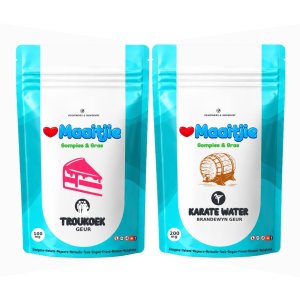
Maaitjie Sugar Free Gummies
Price range: R150,00 through R250,00This product has multiple variants. The options may be chosen on the product page -
-
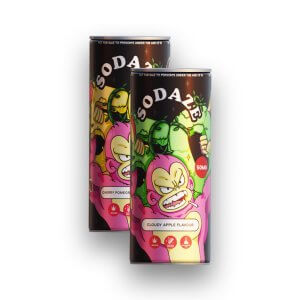
Sodaze Craft Soda 50mg
Original price was: R80,00.R70,00Current price is: R70,00.This product has multiple variants. The options may be chosen on the product page -
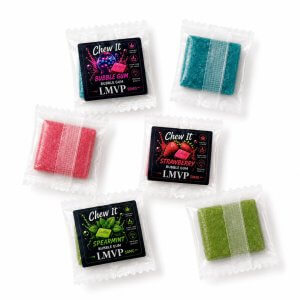
ChewIt™ Bubblegum 50mg
Original price was: R50,00.R45,00Current price is: R45,00.This product has multiple variants. The options may be chosen on the product page -
-
-
-

-
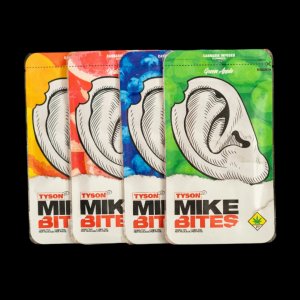
Tyson Mike Bites 25mg
Original price was: R300,00.R250,00Current price is: R250,00.This product has multiple variants. The options may be chosen on the product page -
Vanilla Gorilla Juice Shots
Original price was: R60,00.R55,00Current price is: R55,00.This product has multiple variants. The options may be chosen on the product page -